Why 24/7 Emergency Drug Testing Matters
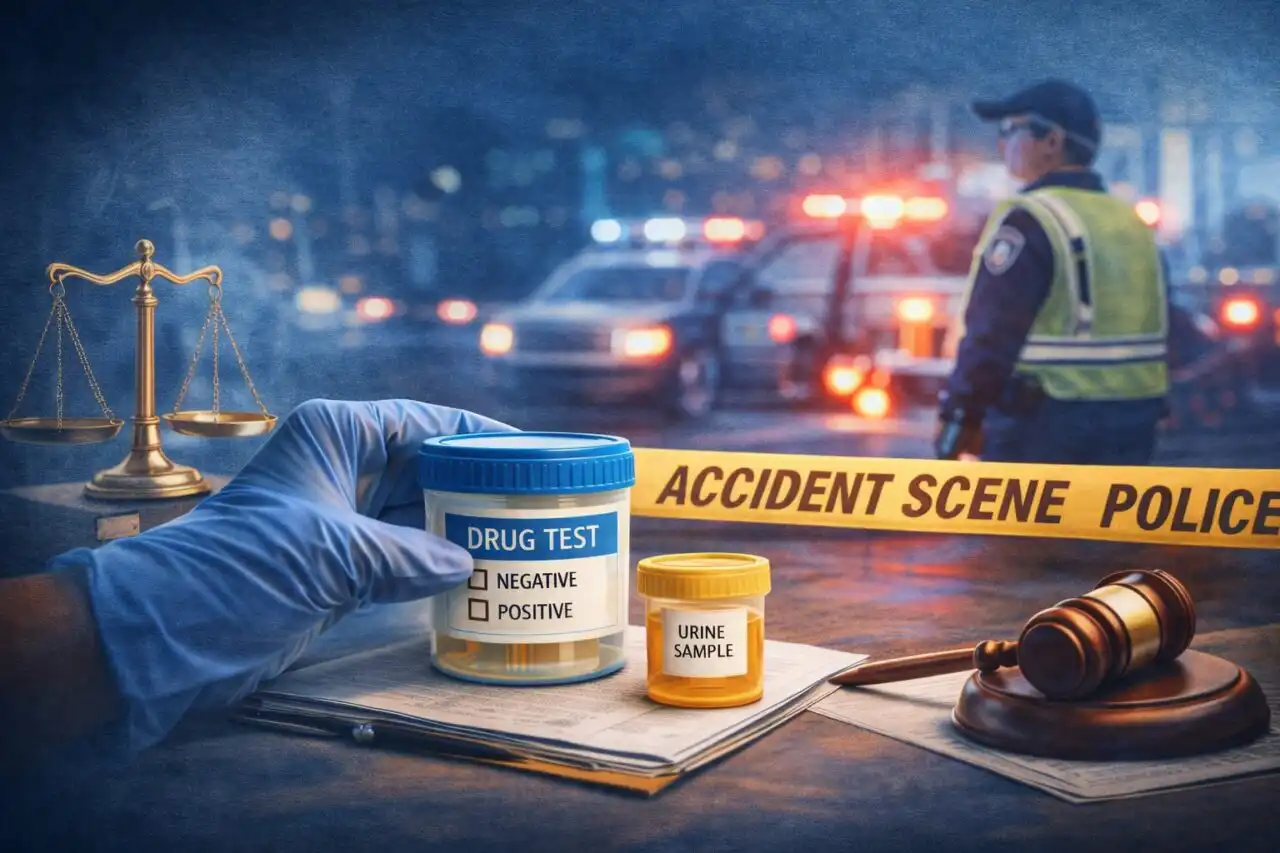
When an accident happens, everything changes in minutes.
The decisions made in the first hour often determine whether your company is protected, or exposed.
Yet many employers still rely on clinic hours, delayed post-accident drug testing, or internal staff scrambling to “figure it out.” In today’s legal climate, that approach is no longer defensible.
A modern compliance program requires an immediate, documented, professional response. That is why 24/7 emergency drug testing is not a convenience. It is a legal safeguard.
Here is what every employer needs to understand.
1. The Clock Starts Immediately After an Incident
Whether you operate under DOT compliance or a non-DOT drug testing program, time is critical after an accident.
- Substances metabolize.
- Memories shift.
- Attorneys prepare arguments.
Delayed testing creates serious exposure:
- Evidence becomes less reliable.
- Employees have opportunities to refuse or tamper.
- Plaintiffs argue the employer failed to act.
- Insurance carriers question documentation timing.
A 24/7 emergency drug testing response eliminates those gaps.
A trained, certified collector arrives onsite, initiates a documented chain of custody, and preserves defensible evidence. That speed alone can determine the outcome of a dispute months later.
In compliance, minutes matter.
2. Onsite Testing Creates a Defensible Chain of Custody
A drug test is only as strong as its documentation.
Sending an injured or shaken employee to a clinic hours later introduces variables:
- Unsupervised travel.
- Timing disputes.
- Chain-of-custody gaps.
- Transportation delays.
- Specimen handling challenges.
With 24/7 onsite drug testing, collection begins immediately at the scene or designated location. The chain of custody is secured from the start.
- Attorneys can argue about almost anything.
- They cannot argue with a properly documented, professionally executed onsite collection completed immediately after an event.
That is what makes a program defensible.
3. It Protects Against Workers’ Compensation Exposure
In many states, employers can reduce or deny workers’ compensation claims when impairment is a contributing factor.
But that protection depends on timely, documented post-accident drug testing.
If testing is delayed because:
- The clinic was closed
- No collector was available
- HR could not be reached
- Supervisors were unsure of the process
The employer may lose the opportunity to defend the claim effectively.
24/7 emergency testing protects your financial exposure by creating reliable evidence when it matters most.
- Your policy protects your authority.
- Your testing speed protects your leverage.
4. It Demonstrates Responsible Employer Action
When serious incidents occur, investigators and insurers look for an immediate employer response.
Slow or inconsistent testing can be interpreted as:
- Weak safety enforcement.
- Poor supervision.
- Inadequate compliance controls.
- Inconsistent policy application.
Immediate onsite post-accident drug testing demonstrates that the company responded decisively and responsibly.
That documentation strengthens your position in audits, claims reviews, and legal disputes.
5. It Reduces Liability in Third-Party Injury Cases
Accidents involving customers, subcontractors, or members of the public dramatically increase exposure.
Plaintiff attorneys look for:
- Delayed testing.
- Missing documentation.
- Breaks in the chain of custody.
- Policy inconsistencies.
A 24/7 emergency drug-testing protocol creates a clean record that shows the employer acted immediately and professionally.
In high-liability situations, that documentation can significantly reduce settlement pressure.
6. It Shields Negligent Supervision Claims
If an impaired employee causes harm and the employer fails to act quickly, plaintiffs may argue:
- “The company should have known.”
- “The company failed to enforce its policy.”
- “The company did not take impairment seriously.”
Immediate and consistent testing helps rebut those claims. It demonstrates active enforcement of safety standards.
That matters not just in court, but in insurance coverage determinations as well.
7. It Strengthens Workplace Culture and Accountability
Employees understand patterns.
When a company tests:
- Immediately.
- Onsite.
- Consistently.
- 24 hours a day.
Behavior changes.
A visible 24/7 emergency drug testing program reinforces a culture of accountability and safety. Often, its deterrent effect prevents incidents before they happen.
That is compliance working proactively — not reactively.
8. Emergencies Do Not Follow Business Hours
Incidents happen:
- Overnight.
- On weekends.
- During holidays.
- At remote job sites.
- When leadership is unavailable.
A compliance program that only operates from 9 to 5 is not a fully protected program.
True protection requires immediate availability.
The Bottom Line: Speed and Documentation Protect You
24/7 onsite emergency drug testing provides:
- Immediate chain-of-custody control.
- Reliable post-accident drug testing documentation.
- Stronger workers’ compensation defense.
- Reduced liability exposure.
- Faster return-to-work decisions.
- Greater legal defensibility.
- Reinforced safety culture.
In today’s environment, compliance is not about checking a box.
It is about being prepared the moment something goes wrong.
If your current provider cannot respond immediately — or if you rely solely on clinics that close at 5 p.m. — your company is exposed.
NMS Screening & Compliance provides nationwide 24/7 emergency response so your business is protected at all times.
- We keep your company compliant.
- We keep your employees safe.
- And we keep your lawyers bored.